Home › Blog › Do boosted followers kill organic reach
Do bought or boosted followers kill your organic reach?
They can, but not because they were paid for. Instagram, YouTube and Facebook decide who sees a video by watching what real people do with it: whether they stop, watch to the end, share it or skip it. Followers who never cared about your subject do not do any of those things, so your videos look weak to the platform and get shown to fewer people.
Bought fake followers are the worst case and break the platforms' rules. Loosely targeted follower campaigns do slower damage. The repair is the same for both: stop adding people who do not care, and publish 30 to 40 videos made for the right person, until the platform has fresh proof of who your videos are for.
A member of a doctor's team asked us this on a call in September 2026, and it was the best question anyone had asked us in ten calls. Someone had told them, "your followers are not organic." They could not see why that mattered.
Her example was a party. "Say Akash has ten guests coming. He meets me and says, bring someone along, I will feed them. So I bring a friend. Is that friend not organic?" It is a fair question, and the honest answer is: that friend is fine. The friend wanted to come. The trouble starts when the guests who arrive have no interest in the party at all.
Are boosted followers the same as fake followers?
No. People use one word for three different things, and they do very different amounts of damage.
So the party guest who brings a friend is a genuine follower. The line is not paid against free. The line is interested against not interested.
Is buying followers against Instagram and YouTube rules?
Yes, on both. Instagram said in November 2018 that it would start removing inauthentic likes, follows and comments from accounts that use outside apps to grow, that it had built machine learning tools to find them, and that accounts which keep doing it "may see their Instagram experience impacted."
YouTube is blunter. Its fake engagement policy says it does not allow anything that artificially increases views, likes, comments or subscribers, and three strikes inside 90 days can end a channel.
So bought followers carry two costs. They can be taken away from you, and while they sit there they do nothing for you.
How does Instagram decide who sees my reel?
Instagram guesses how likely each person is to enjoy your reel, then shows it to the people with the best guesses. The guesses come from what people actually did with your reel and with ones like it.
Adam Mosseri, the head of Instagram, set this out in Instagram Ranking Explained in May 2023. For reels, Instagram predicts how likely you are to reshare a reel, watch it all the way through, like it, and go to its audio page. Among the signals it lists are information about the reel, including how popular it is, and information about the creator, including their engagement. He also wrote that the majority of reels a person sees come from accounts they do not follow.
Facebook publishes an even more detailed list. Meta's page on how Facebook Reels are ranked includes how long you are likely to watch, whether you will watch rather than skip past it, whether you will watch to completion, and whether you will ask to see less content like this or hide it. It also counts how many times other people have watched the reel to the end.
So every reel is judged on what the people who saw it did next. Watched, shared, finished: good. Skipped, hid: bad.
How does YouTube decide who to recommend a video to?
The same way, with more signals. Cristos Goodrow, a vice president of engineering at YouTube, wrote in 2021 that its recommendation system learns from clicks, watch time, survey answers, shares, likes and dislikes. YouTube asks viewers to rate videos from one to five stars so it can measure what it calls valued watch time, the time a person felt was well spent.
There is one honest difference on YouTube. Its search and discovery team said in 2020, as reported by Search Engine Journal, that YouTube knows which subscribers have not watched a channel in a long time and avoids showing them new videos, and that a video's place on the home page depends on how it did on other people's home pages. So on YouTube, subscribers who never watch are mostly ignored rather than counted against you. The damage is smaller there, though the subscriber number still misleads you about how many people care.
Why do followers who do not care pull my reach down?
Because your followers are some of the first people who see a new post, and what they do is taken as evidence about the post. If most of them scroll past, the post looks like one people do not want.
Instagram's own product design says followers are part of the first test. In December 2024 Meta launched trial reels, which are shown to non-followers first so creators can try something new without it going to their existing followers. A trial reel can then be shared with followers automatically if it does well on the views it gets in its first 72 hours. A tool like that only needs to exist because an ordinary reel goes out to your followers too, and their reaction is part of how it is judged.
This is not a new problem either. In 2014 Derek Muller, who runs the science channel Veritasium, went public about the likes he had paid Facebook to bring to his page. As Salon reported, those likes did not turn into comments or shares, and "if all those thousands of people who have liked your page never show up, your content gets downgraded, and nobody sees it." He had paid twice: once to get the followers, and again in the reach he lost because they never showed up.
What is the librarian picture?
It is the way I explain this on calls, and it is the answer I gave to the party question.
Think of the platform as a librarian, and your videos as a medical book on the shelf. When you boost widely for followers, all sorts of people walk into the library. Somebody who wanted sports books. Somebody who came for comedy. The librarian hands each of them your medical book. They open it, think "what is this?", put it down and walk out. Some of them even ask for the sports room on the way.
From the librarian's side, she has handed your book to hundreds of people and almost nobody read past the first page. So she stops handing it out. She is not punishing you. She is reading the evidence you gave her.
The librarian is not against your book. She has just watched a lot of the wrong people put it down.
Then turn it around. When the people who come in actually wanted a medical book, they take yours, keep reading and ask for the next one. The librarian learns, "I should find more people like these," and starts handing your book to strangers who look like them. That is the whole goal. We use social media algorithms rather than getting used by them.
Do I need a big following to get reach?
No. Because most of what people see on Reels comes from accounts they do not follow, the video carries the reach, not the follower count.
One client of ours, Shubhi Mittal, had 84 followers when her second reel with us went out. It has been watched 344,000 times, and you can open it and check. Eighty four people did not make that happen. Strangers who kept watching did.
A small account with the right few hundred people is better placed than a big account full of people who do not care. Why do we need millions to start with? We don't need it.
My account already has boosted followers. How do I fix it?
Stop adding people who do not care, and then give the platform fresh proof, video by video, of who your content is for. In our experience that takes somewhere around 30 to 40 videos, each made to pass the checks the platforms themselves have named. There is no switch that resets an account, and anybody selling one is guessing.
- Stop the follower campaigns today. No more buying, and no more paid campaigns where the goal is followers or likes and the audience is anyone.
- Pick one person you are making videos for. A kidney patient's daughter. A founder who cannot sleep. A runner with knee pain. Every video speaks to that person, so the people who stay are the people you want.
- Make every video pass the checks. Does the first second stop the right person scrolling? Is it worth watching to the end? Is there a reason to send it to someone? Is there a reason to save it? Would the right viewer want the next one? Those are the same things Instagram and Facebook say they predict.
- Use trial reels on Instagram. They go to non-followers first, so a new video can be tested on strangers without the uninterested followers being the first to judge it.
- Publish steadily until you have 30 to 40 good ones. One great video does not rebuild anything. A long run of videos that the right people finish is what teaches the platform who to find.
- Watch the right numbers. How much of each video people watch, how many shares and sends, how many saves. Follower count is the last number to move, and the least useful one to watch in the meantime.
Should I remove the fake followers?
A few hundred obvious fakes, removed by hand, does no harm. Thousands are not worth your weeks, because the new videos do far more of the work. Never give your password to an outside app that promises to clean your list.
What not to do
- Do not buy more followers or engagement to cover the drop. It adds more people who do not care, which is the problem you are fixing.
- Do not delete the account and start again in a panic. You throw away the genuine followers you have, and a new account still has to earn its first proof.
- Do not judge the repair on the first five videos. Early numbers on a damaged account are low by design. Count the run, not the week.
- Do not turn to ads to rescue reach. Meta ads come later. Ads should pump up an engine which is already giving you results, aimed at people who have already watched your videos, not at everybody.
Are paid ads always bad for organic reach?
No. An ad aimed at people who already care, such as people who watched most of your videos or visited your page, brings more of the right readers into the library. That helps.
What hurts is paying for a number. A campaign built only to grow the follower count finds whoever taps follow most cheaply, and they are rarely the people who want your subject. Before any spend, ask: will the people this brings in watch my next video to the end?
For an Ayurvedic doctor we run, none of the reach came from bought or boosted followers. 95 reels, 19.5 lakh views in five months, and he never filmed one of them. You can see how that account was built, step by step.
Questions people ask about this
Do boosted followers kill organic reach on Instagram?
They can hurt it, when the campaign pulled in people with no interest in the subject. Instagram judges each reel partly on how the people who see it react, including whether they watch to the end and share it. Followers who scroll past every post make your posts look unwanted, so fewer people are shown them. Followers brought in by well aimed ads who genuinely care do no harm.
Is it against the rules to buy Instagram followers?
Yes. Instagram announced in November 2018 that it removes inauthentic likes, follows and comments from accounts that use outside apps to grow, and warned that accounts which keep doing it may see their experience affected. YouTube's fake engagement policy also bans anything that artificially increases subscribers or views, and repeated breaches can end a channel.
Do inactive subscribers hurt a YouTube channel?
Less than people fear. YouTube has said it knows which subscribers have not watched a channel in a long time and avoids showing them new videos, so they are mostly ignored. The real cost is that the subscriber number no longer tells you how many people care, and bought subscribers still break YouTube's fake engagement policy.
How many videos does it take to fix an account with bad followers?
In our experience, somewhere around 30 to 40 videos, each made for one clear type of viewer and good enough that the right people watch to the end and share it. There is no official number from any platform. What matters is a steady run of videos that give the platform fresh proof of who the content is for.
Should I delete my account and start a new one?
Usually not. A new account throws away the genuine followers you already have and still has to earn its first proof from nothing. Stopping the follower campaigns and publishing a long run of well made videos repairs most accounts without starting over.
Is a follower who came from a friend's share organic?
Yes. How a follower arrived matters much less than whether they care about what you post. A person who followed because a friend recommended you, and who watches your videos, helps your reach. A person who tapped follow on a paid ad without any interest in your subject does not, even though both are real people.
Can I use Instagram trial reels to get around uninterested followers?
They help. Trial reels, launched by Instagram in December 2024, are shown to non-followers first, so a new video is tested on strangers before it reaches your existing followers. You can let Instagram share it with your followers automatically if it performs well in its first 72 hours.
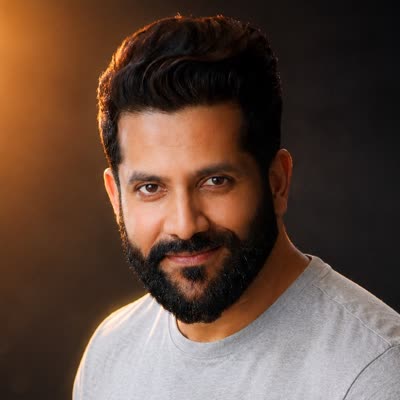
Akash Gupta
Founder of PhantasyLabs, part of Peepoye Network. He built a YouTube channel to 12.8 lakh subscribers before building the system that now runs it, and PhantasyLabs produces and publishes video for doctors, coaches, experts and brands. More about us.